Iron is an important mineral required for our bodies to function properly; however, an excessive amount of iron within the body is often dangerous, as our body does not understand how to deal with it and starts storing it in different organs till they become overloaded. The good thing is that there are foods that lower iron levels naturally, and I will share my experience with those foods in this article.
People with Thalassemia major and hemochromatosis often need to limit their dietary iron intake to prevent toxicity and damage to their bodies and internal organs.
Although high iron and ferritin levels require proper iron chelation medicines, there are many changes you can make to your diet to reduce iron absorption.
This article will help you make those changes to naturally reduce your ferritin levels.
Quick Look at Foods that Lower Iron Levels
- Calcium-Rich Foods: Milk, yogurt, cheese, and fortified soy milk reduce absorption of heme and non-heme iron; aim for 300 mg calcium per meal.
- Phytate-Rich Foods: Whole grains, nuts, seeds, legumes (e.g., lentils, beans), and tubers (e.g., potatoes) inhibit non-heme iron absorption by up to 50%.
- Polyphenols/Tannins: Tea, coffee, and cocoa decrease non-heme iron uptake; consume after iron-rich meals.
- Oxalate-Rich Foods: Spinach, kale, beets, nuts, chocolate, tea, and strawberries limit non-heme iron absorption.
- Eggs: Phosvitin in egg yolks binds iron, reducing absorption despite their iron content.
- Diet Tips: Favor plant-based foods with non-heme iron, avoid vitamin C-rich foods with iron-rich meals, and pair iron-rich foods with inhibitory foods/drinks.
- Note: Dietary changes have less impact than medical treatments like phlebotomy; consult a healthcare provider.
What is the Difference Between Iron and Ferritin?
Ferritin is a protein that the human body uses to store iron. It is basically a container for iron.
A high ferritin count indicates high iron stores in the body. A low ferritin count indicates low iron in the body.
Heme Vs. Nonheme Iron – What You Need to Know
To properly lower iron levels in your body with food, it is vital to know the difference between heme and nonheme iron.
Heme Iron
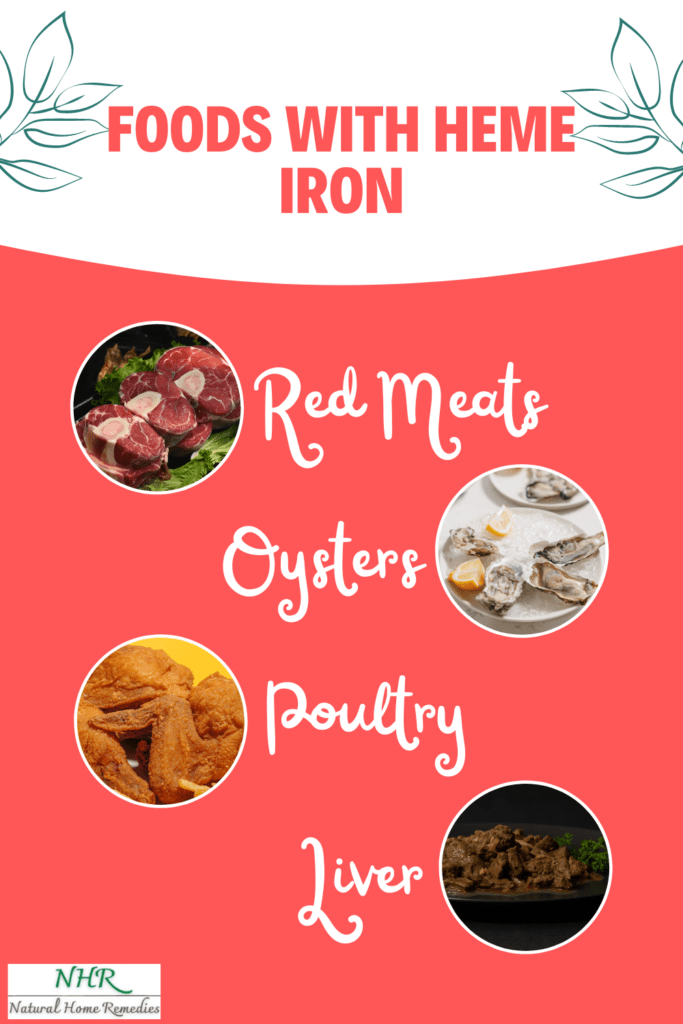
Heme iron is found mostly in animal-based food products and is easily absorbed by your body. Some sources of heme iron include oysters, beef, liver (chicken & beef), and clams.
Nonheme Iron
Nonheme iron, on the other hand, is not easily absorbed by the human body. It is found in plant foods like whole grains, nuts, seeds, legumes, and leafy greens.
If you need to reduce your iron levels, the first and foremost thing you will need to do is reach for foods with nonheme iron. Transition towards a more plant-based diet. You do not need to stop consuming meat, just reduce it as much as you can in order to reduce your dietary intake of heme iron.
Stay Away from Iron-fortified and Iron-rich Foods
Avoiding foods that contain high amounts of iron, especially heme iron, helps lower iron levels in your body, which is useful if you have high iron or ferritin levels.
Foods to avoid include iron-fortified bread, milk, cereal, etc. A lot of people have iron deficiencies, hence it is quite common for companies to fortify their products with iron. You must make sure you steer clear of all such products.
You should also avoid oysters, red meat, beef liver, and dark meat poultry. These foods contain the highest amount of heme iron, and it is best to stay away from them.
But it’s not always easy to keep away, is it? For me, I cannot stay away from beef liver if I see it in front of me, and I have to give in. I just follow up with a cup of tea immediately after the meal to reduce the amount of iron absorbed from that meal.
Now it doesn’t mean I start having it every day. I still keep away from it and eat beef liver maybe 2 or 3 times a year.
Pick the Right Foods
Calcium-rich foods like milk and cheese impair both nonheme and heme iron absorption, while eggs and foods containing phytates, polyphenols or oxalates impair nonheme iron absorption when eaten with iron-rich foods.
So just try to take your calcium, phytates, polyphenols, and oxalates with your food or within 30 minutes of your meal. For me, it’s a cup of tea after every meal I eat.
Calcium-rich foods include yogurt, cheese, and calcium-fortified soy milk.
Oxalates are in tea and a few vegetables, like spinach. Polyphenols are present in coffee, teas, and cocoa.
Phytates are found in soy, fiber, nuts, legumes, and whole grains.
Limit Foods that Enhance Iron Absorption
Avoid eating foods that enhance absorption. For example, you do not want to follow up a meal of beef liver with lemon juice. That is a no-no! Lemon juice contains high amounts of vitamin C which enhances and speeds up the iron absorption from your meal.
The Iron Disorders Institute reports that vitamin C significantly boosts iron absorption from meals. Hence, it is best to keep away from foods and supplements that contain vitamin C. If you need to take vitamin C, try to take it on an empty stomach or between 2 meals to minimize the absorption of iron from your diet.
Add Natural Chelators and Antioxidants to Your Diet
Iron is really damaging to the body, and if you have high iron stores, you should add natural chelators and antioxidants to your diet. This will relieve your body of the oxidative stress caused by excess iron. Here are some foods that lower iron that you can add to your diet:
- Turmeric (read my article on using turmeric to reduce iron levels)
- Milk Thistle (read my article on milk thistle for iron chelation)
- Vitamin E (try to take the natural composition rather than a synthetic one, as it will be more easily absorbed)
- IP6 (read my article on IP6 for iron chelation)
- Black seed oil (I take it with honey)
These are some great natural chelators and antioxidants you must add to your diet. You will see a huge difference within 2 weeks of starting these. I take all of these in supplement form and am quite satisfied. They are all easily available at Amazon or you can get them from your local drug store.
Conclusion
If you have high iron levels, you can reduce them by making conscious changes to your diet. In addition to adding foods that lower iron levels, you must also:
- Avoid high-iron foods like beef, clams, oysters, fish, and dark meat.
- Eat foods that reduce iron absorption, like milk, yogurt, cheese, tea, and coffee.
- Avoid Vitamin C with meals (especially high iron meals)
- Add natural iron chelators to your diet to save your organs from oxidative stress (read this article on the 6 best supplements to lower iron levels).
References
Heme Iron vs Non-Heme Iron in Foods | Hemochromatosis Help
The Nutrition Source || Harvard TH Chan School of Public Health