When it comes to healthy cooking oils, avocado oil and olive oil are two of the most popular and nutrient-rich options. Both offer heart-healthy monounsaturated fats, antioxidants, and a range of benefits for skin, brain, and overall wellness. But which one is better for your specific needs? In this guide, we compare their nutrition, health benefits, cooking uses, and more — so you can choose the right oil for your lifestyle.
🔍 Want to explore all healthy oils? Don’t miss our The Ultimate Guide to Healthy Oils: Benefits, Uses & Best Picks.
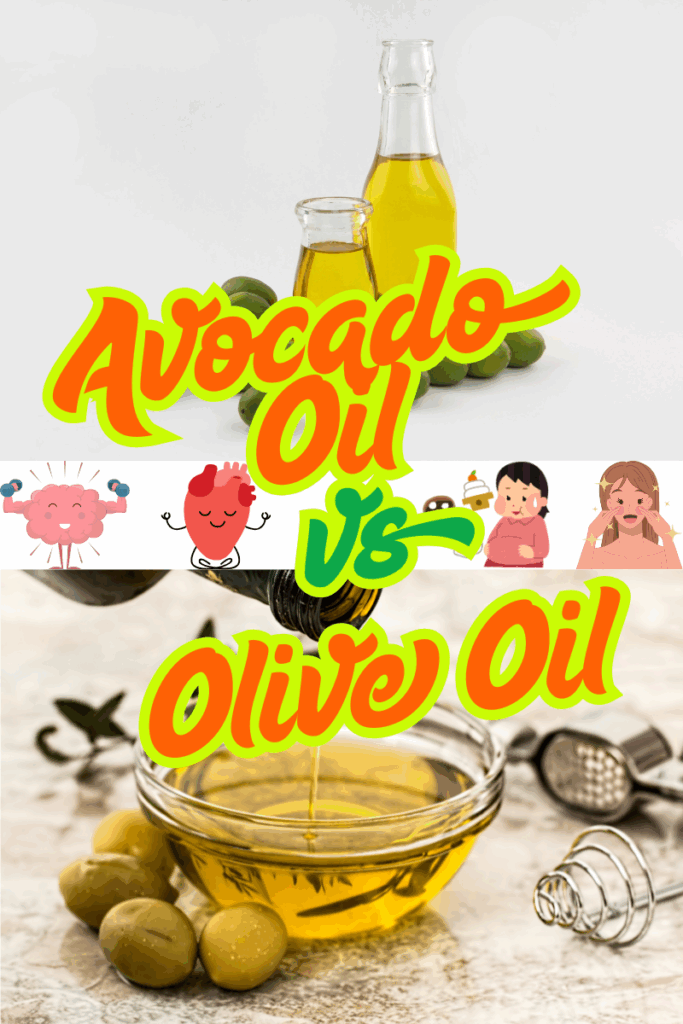
Avocado Oil vs Olive Oil: Nutrition Facts
Avocado oil and olive oil share similarities but have unique strengths. Both are high in monounsaturated fats (MUFAs), particularly oleic acid, which lowers LDL (“bad”) cholesterol. A tablespoon (15 ml) of each offers about 120 calories and 14 grams of fat, with roughly 2 grams of saturated fat and traces of vitamin E.
- Avocado Oil: Contains 70–75% MUFAs, 10–12% polyunsaturated fats, and phytosterols that may reduce cholesterol absorption. Provides 23% of the daily value (DV) for vitamin E per tablespoon.
- Olive Oil (Extra Virgin): Offers 60–80% MUFAs, up to 33% DV of vitamin E, and a wide range of polyphenols (e.g., oleocanthal, hydroxytyrosol) with anti-inflammatory properties.
Olive oil leads in antioxidant diversity, while avocado oil provides a balanced fatty acid profile. Learn more about avocado oil in Avocado Oil Benefits: Uses for Cooking, Heart Health & Skin Care.
Health Benefits Comparison: Cholesterol, Skin, Brain & More
For Cholesterol Management
Both oils help manage cholesterol due to their MUFA content. A 2017 study found olive oil’s polyphenols reduce LDL cholesterol by 5–10% when part of a Mediterranean diet. Avocado oil’s phytosterols, per a 2015 study, can lower LDL by up to 7%, making it a strong contender for cholesterol control.
For Skin Health
Avocado oil’s vitamin E and phytosterols hydrate and protect skin, with a 2017 study suggesting benefits for psoriasis. Olive oil’s polyphenols, per a 2017 review, aid wound healing and reduce UV damage, making it ideal for topical use. See Coconut Oil Benefits: Cooking, Skin, Energy Uses for more skin care insights.
For Brain Health
Olive oil’s polyphenols protect against oxidative stress, with a 2018 study linking it to lower Alzheimer’s risk. Avocado oil’s MUFAs support overall brain function, though less researched. Explore brain health benefits in Olive Oil Benefits: Heart, Skin, Brain Health.
For Heart Health
Olive oil’s role in heart health is well-documented, with a 2020 study showing a 16% reduced risk of cardiovascular mortality with daily use. Avocado oil’s MUFAs and vitamin E also support heart health, per a 2013 study, though its benefits are less pronounced. Compare with Flaxseed Oil Benefits: Omega-3 for Health & Muscle.
For Weight Loss
Both oils can aid weight loss when replacing saturated fats. A 2017 study on olive oil found it supports satiety, potentially reducing calorie intake. Avocado oil’s healthy fats may boost metabolism slightly, per a 2017 study, but evidence is limited.
Best Uses in Cooking: Smoke Points & Flavor
Their culinary applications depend on the smoke point and flavor.
- Avocado Oil: The Smoke point of 480–520°F makes it perfect for frying, roasting, or baking. Its mild taste suits diverse recipes.
- Olive Oil (Extra Virgin): Smoke point of 325–375°F suits low to medium-heat cooking or raw use in salads and dips, with a rich, peppery flavor.
Refined versions of both oils (e.g., refined olive oil at 390°F) can handle higher heat but lose some nutrients and flavor.
Storage, Cost & Purity: What to Look For
Cost and Availability
Avocado oil ($10–$15 per liter) is typically pricier than olive oil ($8–$20 per liter for EVOO), depending on quality and origin.
Shelf Life
Both oils last 6–12 months unopened, but avocado oil’s higher polyunsaturated fat content makes it more prone to oxidation. Store in dark bottles in a cool place.
Quality and Purity
Choose cold-pressed or extra virgin varieties to maximize nutrients. Some avocado oils are adulterated, so opt for brands with third-party testing.
Comparison Table: Avocado Oil vs. Olive Oil
| Aspect | Avocado Oil | Olive Oil (Extra Virgin) |
|---|---|---|
| Calories (per tbsp) | 120 | 119 |
| Monounsaturated Fat | 70–75% (mainly oleic acid) | 60–80% (mainly oleic acid) |
| Polyunsaturated Fat | 10–12% | 7–10% |
| Saturated Fat | ~12% | ~14% |
| Vitamin E (% DV) | 23% | Up to 33% |
| Polyphenols | Low to moderate (fewer antioxidant compounds) | High (oleocanthal, hydroxytyrosol — powerful antioxidants) |
| Phytosterols | High (supports cholesterol reduction) | Moderate |
| Smoke Point | 480–520°F (refined) — suitable for high-heat cooking | 325–375°F (extra virgin) — ideal for raw or low-heat use |
| Flavor Profile | Mild, buttery, neutral taste | Rich, fruity, slightly peppery |
| Best Uses | Searing, roasting, frying, baking | Salad dressings, dips, drizzling, sautéing |
| Skin Benefits | Excellent for moisturizing, psoriasis, and UV protection | Supports wound healing, reduces inflammation, and sun damage |
| Brain Health Support | MUFAs support cognitive function | Polyphenols linked to reduced Alzheimer’s risk |
| Heart Health Evidence | Supports heart health (less documented than olive oil) | Strong evidence from Mediterranean diet studies (↓16% CVD mortality risk) |
| Weight Loss Potential | May enhance metabolism slightly | Supports satiety and may reduce overall calorie intake |
| Shelf Life | 6–12 months unopened; more prone to oxidation | 12–18 months unopened; more stable due to antioxidants |
| Price Range (per liter) | $10–$15 (premium products may cost more) | $8–$20 (varies by region and grade) |
| Purity Concerns | Higher risk of adulteration; look for third-party-tested brands | Commonly faked — choose PDO/PGI certified or trusted EVOO brands |
Final Verdict: Which Oil Should You Use?
The best choice depends on your goals:
- For High-Heat Cooking: Avocado oil’s 520°F smoke point makes it ideal for frying or roasting.
- For Raw Use: Olive oil’s antioxidants shine in salads or dips.
- For Cholesterol: Olive oil may edge out slightly due to polyphenols.
- For Skin Health: Both work, but avocado oil suits topical use better.
- For Brain Health: Olive oil’s polyphenols offer more protection.
- For Heart Health: Olive oil has stronger evidence from Mediterranean diets.
- For Weight Loss: Olive oil may enhance satiety better.
Use both in moderation, swapping out saturated fats like butter, and pair with veggies for optimal health. Check labels for quality. Explore more in The Best Healthy Cooking Oils in 2025: Top Picks.
Take the Quiz: Avocado Oil vs Olive Oil
References
All data is verified as of May 2025:
- 2017 study on olive oil and LDL cholesterol reduction.
- 2015 study on avocado oil phytosterols and cholesterol.
- 2017 study on avocado oil for psoriasis.
- 2017 review on olive oil for wound healing.
- 2018 study on olive oil and Alzheimer’s risk.
- 2020 study on olive oil and cardiovascular health.
- 2013 study on avocado oil and heart health.
- 2017 study on olive oil and satiety for weight loss.
- 2017 study on avocado oil and metabolism.
Affiliate Disclosure: This article contains affiliate links. We may earn a commission from purchases at no extra cost to you.